
NewsNEWCENTER
Featured products


Contact Us
Xuhai New Materials is building a new “additives + finished products” dual-drive model, serving customers with technology!
2026-06-13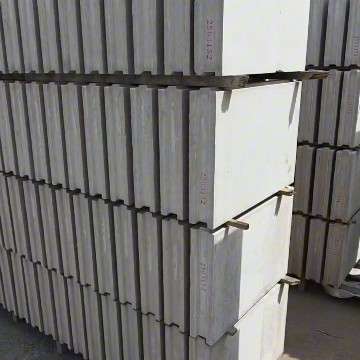
In recent years, driven by the “dual-carbon” strategy and green building policies, the construction industry is accelerating its transformation towards energy conservation, environmental protection, and efficient construction. As an important component of green building materials, gypsum-based materials, with their advantages of being lightweight, high-strength, fire-resistant, and environmentally friendly, are becoming a new growth point in the interior decoration field.
Among them, gypsum bricks and gypsum self-leveling compounds are particularly outstanding, with continuously growing market demand and expanding application scenarios, ushering in unprecedented development opportunities.
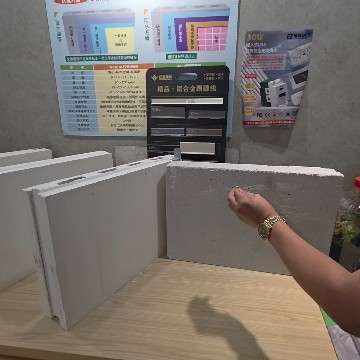
Gypsum bricks, with their lightweight, high strength, excellent fire and sound insulation properties, and high construction efficiency, are increasingly favored by developers and construction companies.
Compared to traditional wall materials, gypsum bricks not only effectively reduce building loads but also significantly improve construction efficiency and reduce construction waste, aligning with the current green and industrialized development direction of the construction industry.
Industry insiders predict that the gypsum brick market will continue to grow rapidly in the coming years, becoming an important growth engine in the field of gypsum deep processing.
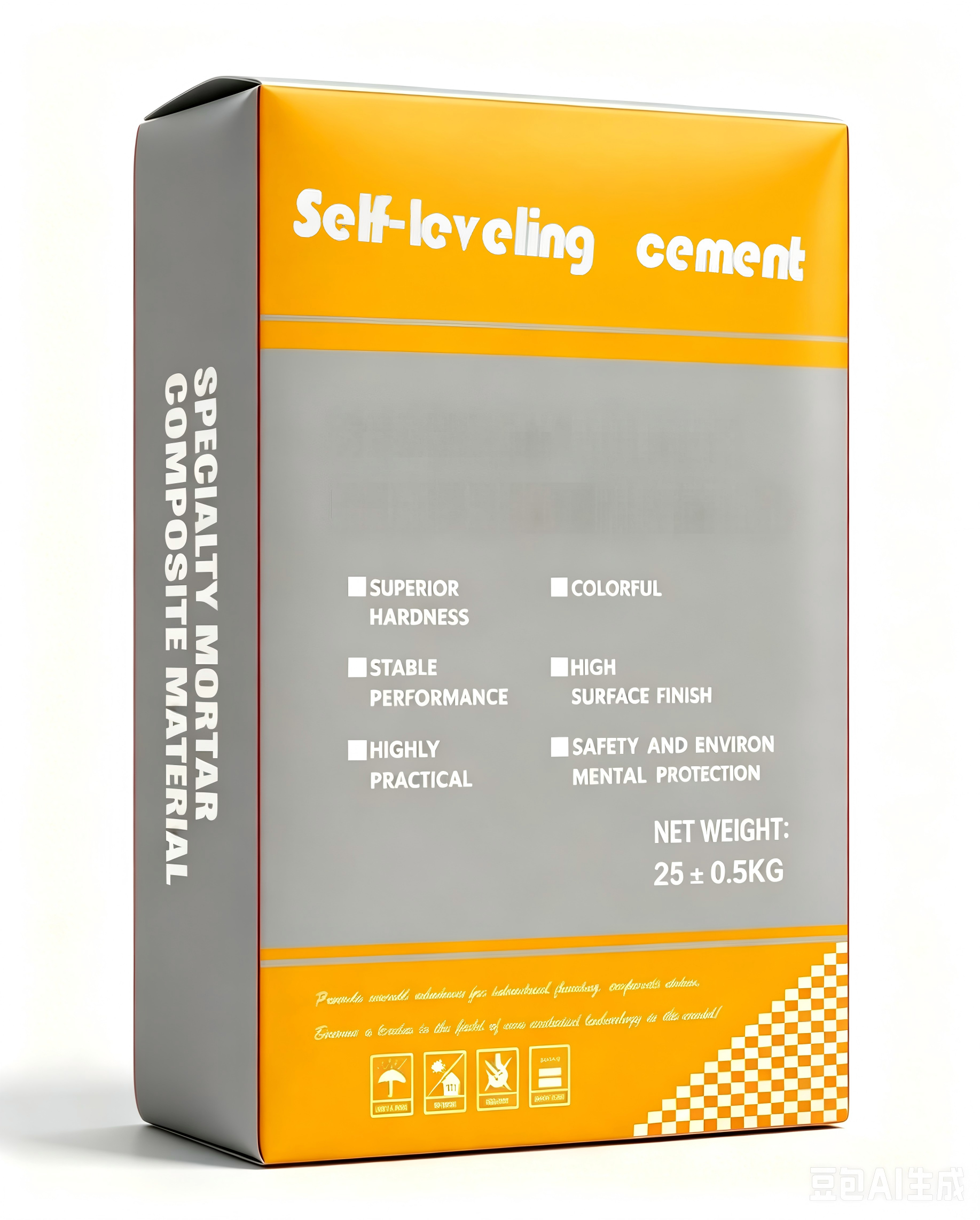
Meanwhile, gypsum self-leveling compounds are gradually replacing traditional cement mortar leveling processes.
Especially against the backdrop of the rapid development of prefabricated and fully-furnished apartments, the market demand for high-quality gypsum self-leveling products continues to rise.
However, the stable performance of both gypsum bricks and gypsum self-leveling compounds relies heavily on core additive technology.