
NewsNEWCENTER
Featured products


Contact Us
Why Use HPMC in Mortar Products?
2026-06-21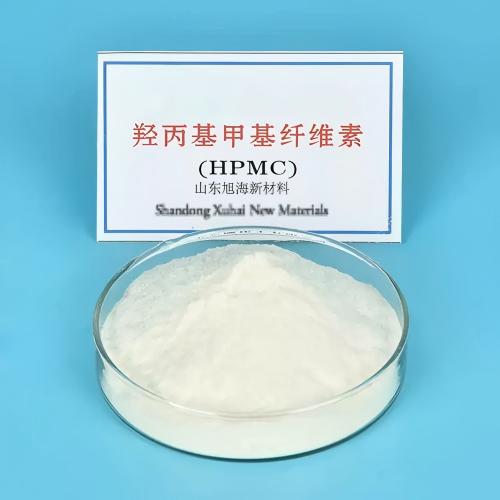
In the field of dry-mix construction mortars, the choice of additives directly impacts the performance of the finished product. Hydroxypropyl Methyl Cellulose (HPMC)—a common non-ionic cellulose ether—is widely used in tile adhesives, plastering mortars, putty powders, and external wall insulation systems due to its excellent water retention, ease of application, and formulation compatibility.
The primary purpose of adding HPMC to mortar products is to address key challenges associated with cement-based materials, such as rapid water loss, susceptibility to cracking, and application difficulties. It significantly enhances mortar performance through four key mechanisms: water retention, thickening, air entrainment, and retardation.
Hydroxypropyl Methylcellulose (HPMC)
Core Advantages
● Reduces water evaporation and improves cement hydration efficiency |
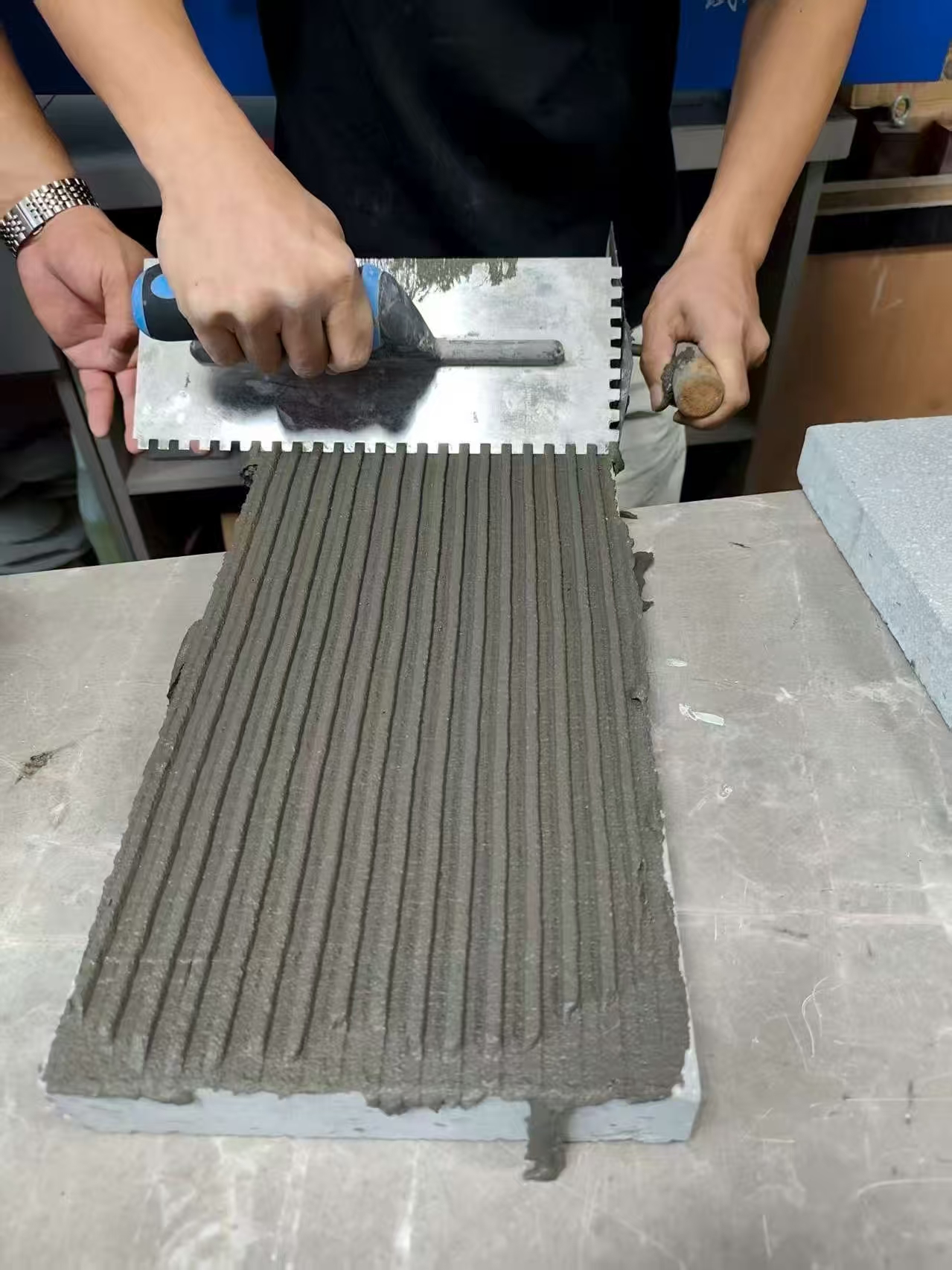
● Enhances the lubricity of the paste, ensuring smooth and effortless troweling |
||
|
Flexible working time
● Adjustable setting speed based on the specific product type |
As an additive for dry-mix mortar, Hydroxypropyl Methylcellulose (HPMC) delivers distinct performance benefits regarding water retention, workability, open time adjustment, and formulation compatibility. While it cannot replace other functional additives, it helps enhance the mortar’s overall performance across multiple dimensions.
In practical applications, users are advised to determine the appropriate HPMC grade and dosage through testing, taking into account specific project requirements, construction conditions, and the formulation system. Scientific and rational usage is essential to fully realizing the functional value of HPMC.
Please let us know your specific requirements.
Please contact Shandong Xuhai New Materials for samples and quotations.